
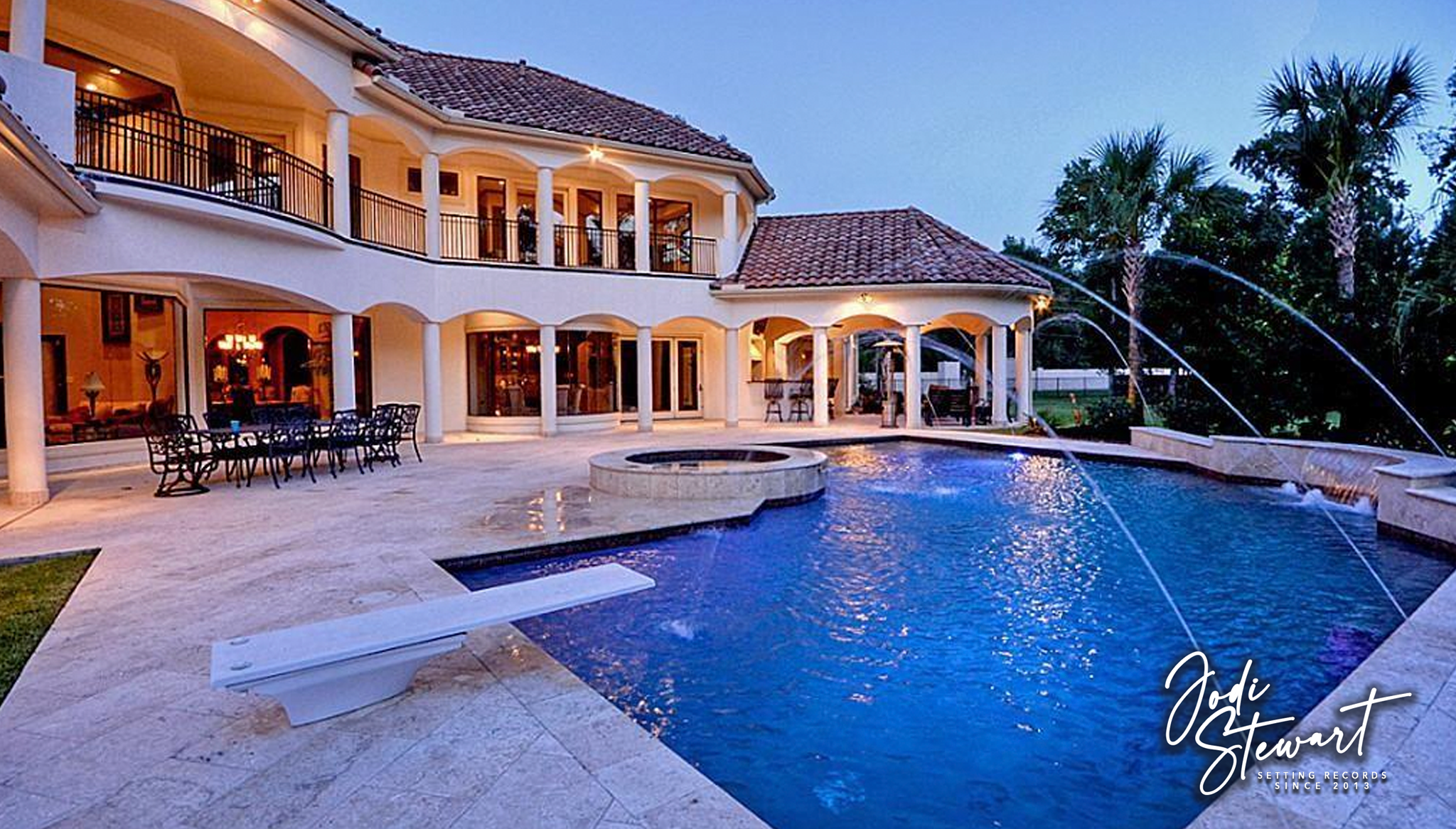
West Austin remains one of the most desirable and resilient real estate markets in Central Texas. Encompassing sought-after neighborhoods such as West Lake Hills, Tarrytown, Barton Creek, Bee Cave, and Lakeway, the area continues to attract affluent buyers seeking top-rated schools, scenic Hill Country views, and proximity to downtown Austin.
Home Prices Continue to Outperform the Broader Austin Market
While the broader Austin metro area has experienced price corrections and longer selling timelines since the pandemic boom, West Austin has shown remarkable resilience. According to recent market data, the median sale price in West Austin reached approximately $1.63 million in early 2026, representing a year-over-year increase of more than 12%. The area’s median listing price has ranged between $2.3 million and $2.7 million, highlighting the strength of the luxury segment.
The continued appreciation reflects limited inventory, strong demand from executive-level buyers, and the scarcity of premium properties near Austin’s urban core.
Inventory Remains Tight Despite Market Normalization
One of the defining trends in West Austin is the contrast between local conditions and broader Austin market headlines. While Austin as a whole has seen inventory growth and increasing buyer leverage, many West Austin neighborhoods continue to face limited supply.
Active listings have declined year-over-year in several West Austin submarkets, contributing to price stability and preventing the sharp corrections observed in some outer suburbs. Luxury homeowners are often less pressured by interest rates, allowing sellers to remain patient and wait for qualified buyers.
Homes Are Selling Faster Than Last Year
Market activity has improved considerably compared with 2025. The median days on market in West Austin has fallen to roughly 48 days, down dramatically from more than 100 days a year earlier. Although buyers now have greater negotiating power than during the pandemic-era frenzy, desirable properties in premium locations continue to attract significant interest.
The data suggests that correctly priced homes are still moving efficiently, particularly in neighborhoods with strong school districts and limited redevelopment opportunities.
Neighborhood Performance Varies Widely
One of the most important trends for buyers and sellers is the growing divergence between West Austin neighborhoods.
Luxury enclaves such as West Lake Hills and Tarrytown have generally maintained pricing strength due to constrained supply and high-income buyer demand. In contrast, some peripheral luxury communities have experienced longer marketing periods and increased price reductions as buyers become more selective. Market observers note that communities such as Bee Cave have remained relatively active, while some higher-priced segments in Barton Creek and other luxury markets are experiencing extended selling timelines.
This neighborhood-by-neighborhood variation means that broad Austin market statistics are becoming less useful for understanding local opportunities.
Buyers Gain More Leverage
Although West Austin remains a premium market, buyers today enjoy greater flexibility than they did during the height of the market boom. Multiple-offer situations still occur for exceptional properties, but buyers are increasingly negotiating on price, repairs, and closing costs.
Recent market data indicates that homes are selling at approximately 96% of list price on average, suggesting a healthier and more balanced environment than the aggressive bidding wars seen several years ago.
For well-qualified buyers, the current market may represent one of the best opportunities in years to secure a home in a premier West Austin neighborhood without facing extreme competition.
The Luxury Segment Remains the Market Driver
West Austin’s luxury market continues to distinguish itself from the broader Austin housing landscape. High-net-worth buyers relocating from other states, executives tied to Austin’s technology sector, and local move-up buyers remain active participants.
Properties offering privacy, acreage, Hill Country views, lake access, and access to highly regarded school districts continue to command premium pricing. This trend is expected to support long-term value appreciation even as the broader housing market experiences periods of normalization.
Outlook for the Remainder of 2026
Looking ahead, West Austin appears positioned for continued stability rather than explosive growth. Rising inventory across the broader Austin region, elevated mortgage rates, and increased buyer selectivity may moderate appreciation. However, the area’s limited land availability, strong demographics, and enduring desirability should continue to support property values.
For sellers, strategic pricing and property presentation are increasingly important. For buyers, current conditions offer improved negotiating leverage without sacrificing access to one of Central Texas’s most prestigious residential markets.
Key Takeaways
- West Austin home values continue to outperform much of the Austin metro area.
- Median sale prices have increased despite broader market normalization.
- Inventory remains constrained in many luxury neighborhoods.
- Homes are selling faster than they were a year ago.
- Buyers have gained negotiating power, creating a more balanced market.
- Neighborhood-specific trends are increasingly important when evaluating opportunities.
- Long-term fundamentals remain favorable due to limited supply and sustained demand.
As Austin’s housing market evolves, West Austin continues to stand out as a premier destination for luxury living, investment stability, and long-term real estate value.